

TFMR Abroad
Usually, the time between diagnosis and delivering your baby is quite short (approximately 2 – 3 weeks depending on gestation) so making all the plans for travel can be quite rushed.
There are a lot of things to think about. Do we fly or sail? How long will we be over there? Should we book return flights? What if I am not well enough to travel? What should we bring? What will it be like?
Depending on your gestation, the hospital can usually give you an approximate time for your length of stay in hospital/clinic. Some women/couples don’t book return travel until after their baby is born as they are unsure of how long they will be there for.
It is good to have plans in place if you need anything or anyone looked after while you are abroad, as you may only receive a few days notice of what date they can do the procedure.
Sometimes you may need to stay in a hotel for a few days before having your baby. The hospital may make you aware if this is the case so you can be prepared.
There are links further down this page on different hospitals outside Ireland and what was recommended by their bereavement teams, as well as advice from our parents who travelled to them.
It is important to request all relevant medical information from your consultant in Ireland before you go
Your hospital will likely send documentation electronically in advance. Ask if everything has been sent and request a hard copy of anything important. We recommend also checking if there is a bereavement support service or family support worker who may be able to assist you with memory making, funeral plans, or bringing home remains, as well as provide emotional support and information relevant to that hospital.
The LMC support service can also provide advice on practical steps to take when preparing to travel, as well as emotional support throughout or after.
Clinic or Hospital?
Through personal experiences and feedback to LMC, we have found generally that a hospital is best placed to provide the appropriate medical care in terms of foetal anomaly issues/TFMR, as well as providing support around the loss of your baby. However, there are times and circumstances where you may find a clinic is the best options for you.
As of August 2026, BPAS are not taking Irish parents as they have a 4 week waiting list. Please avoid the Marie Stopes clinic in London if possible as 2 of our mams had bad experiences
Types of Procedures
By now you should have received the HSE booklet on TOPFA. If you did not, there is a digital copy available here
ARC Antenatel Results and Choices have a good overview on the types of procedures depending on the stage in the pregnancy:
What about cost?
If you travel, you most likely will have to pay for your termination. Depending on the procedure you have and length of stay, the cost could be a few hundred to a several thousand euro. If you are having issues financially, the charity Abortion Support Network (linked below) may be able to assist with some of the cost. You will also have the cost of travel.
You can claim back some of the cost by logging the total of travel and your medical expenses on your Revenue account. Enter the total amount in the “medical expenses” section. You do not need to produce receipts unless you are chosen for auditing. Our volunteers can guide you through this
How do I get referred?
You will likely have to contact the hospital directly yourself, informing them that you have a diagnosis that is being referred to TFMR. After discussing it with your chosen healthcare facility, you go back to you Irish hospital and get them to send your medical information across. One of the challenges of going abroad is that you have to organise a lot yourself. Your chosen centre can advise you on what you need and how best to get there.
Can I bring my baby home?
How you travel will determine how your baby comes home. Unfortunately, this is one of the hardest parts. It is important to know the possible outcomes after losing your baby. As most Irish parents travel to the UK, this information is regarding UK only. Advice relating to other countries can be found on the specific pages below.
If you want to bring your baby home, the best way to do it is to travel by ferry and bring your baby in the car
Some airports and airlines will let you bring your baby on the plane in hand luggage. You will need a letter from the clinic/hospital stating you are the parent(s) and that there is no infection risk to other passengers. Your baby must be in an opaque container. Parents report security at Heathrow are very compassionate. One parent had an issue with Gatwick (but does not mean you cannot use this airport. However, you might want to avoid it just in case). Aer Lingus used to help via their special assistance online form. However this has caused more issues for people of late and we suggest avoiding this as it may cause you more stress and upset.
Formal repatriation can take a few weeks. Most parents who have TFMR don’t chose repatriation but it has been done successfully by some of our parents
If you decide to have a funeral in the UK, it may take several weeks to get a date for burial/cremation. Ask your bereavement midwife for a timeframe or ask them to double check with the funeral home
You can bring your baby’s ashes home on the plane. Ask the funeral home how long it usually takes to get ashes
Other things to note:
Post-mortem may cause a delay of a few days
Many funeral homes won’t charge for your baby. Ask your bereavement team about cost
Repatriation
Kevin Bell Repatriation is a charity based in Northern Ireland. One of our mams recommended them. Staff gave the following information:
After contacting them with a death cert, paperwork takes 2 days. It then takes another 2 days to bring you baby home from England
It can take up to 10 days to bring a baby home from another country
Having advance notice doesn’t speed up the process as they need to wait for the death cert
There is no charge as they are a charity
Tips from parents before you travel
Be aware of your travel method and bringing your baby home
Make sure you have the documentation you need before bringing your baby’s remains/ashes home. Every airport may react diifferently.
There is also security for the ferry as foot passengers. Your bags will be scanned.
When flying, keep in mind that some flights may be busier than others. Ryanair flights to Liverpool may have a lot of stag/hen travellers
You should be supplied with a memory box after your baby is born. You do not need to bring a memory box with you, unless you want to. If you are unsure, ask the midwives who will be looking after you. They are bulky so you may need to allow extra baggage if you are flying home, or bring a suitcase with space remaining.
Baby items. If you are bringing items for your baby, consider not only what you might leave with your baby, but what you want to take home and save. Make sure you can safely transport these items and bring a plastic bag to protect them
Bring home comforts. Hot water bottle, headphones, whatever you think will help you if your baggage allows
Quotes from parents
“We flew to over but we returned on the ferry as foot passengers. We wanted to bring Anna home to bury her and so because we were foot passengers we had to go through security. That meant the bag we had placed her in had to be placed on the security belt like any other baggage would to be scanned. She couldn’t physically stay on us, which my husband did throughout the entire journey home, apart from that moment. He had mentioned it to the staff just before hand and they confirmed the bag had to go on the belt and we had our documents if they questioned anything but they were respectful and never asked for it. Just allowed us to continue on. You know yourself, it looked like a normal bag to anyone else but to us it had our baby in it. Even just the fact that we felt we had to put Anna and her coffin into a bag breaks my heart. I would say most people that decide to travel via ferry go in their on car so they would never have that problem.
We then had to get the shuttle bus from the terminal and it was full, mostly with drunk people. There was only 1 seat left and my husband took it so he could place Anna on his knee. But I had to stand. I was so annoyed that people didn’t know what we were going through, and only had given birth less than 24hrs before hand and had to stand for the 20 mins. Just the added heartbreak of having to travel abroad”
“We flew over with Ryanair and the plane was so stuffy and loud. It was full of people laughing and getting ready to go on a weekend in Liverpool. It was the last place we wanted to be at that moment. On the way back, We booked Aer Lingus. It was a small plane, 2 seats each side. Not many people on it and comfier seats which was great after giving birth. I would avoid Ryanair if possible and if the budget allows”
“One thing I’d do different is to not skimp on the hotel. We tried to get the most reasonable accommodation then it turned out to be horrible. We should have put a nicer hotel on the credit card!”
“Coordination of arrangements at home was a big thing that we got very little help with. We didn’t want to discuss any of that before hand but worth checking with the hospital if someone there could help out”
Additional Info Sources:
BPAS Twickenham offers termination for medical reason services. https://www.bpas.ie/foetal-abnormality/
British Pregnancy Advisory Service Abortion Support Network The Abortion Support Network can sometimes assist with practicalities and costs of travel
Well Woman clinics and the IFPA (Irish Family planning Association) can also offer free non directive support and information:
Irish Family Planning Agency linked here
Well Woman Centre linked here
One Family also offer non-direction information and counselling support
You can contact LMC by email at: lmcbereavement@gmail.com
-
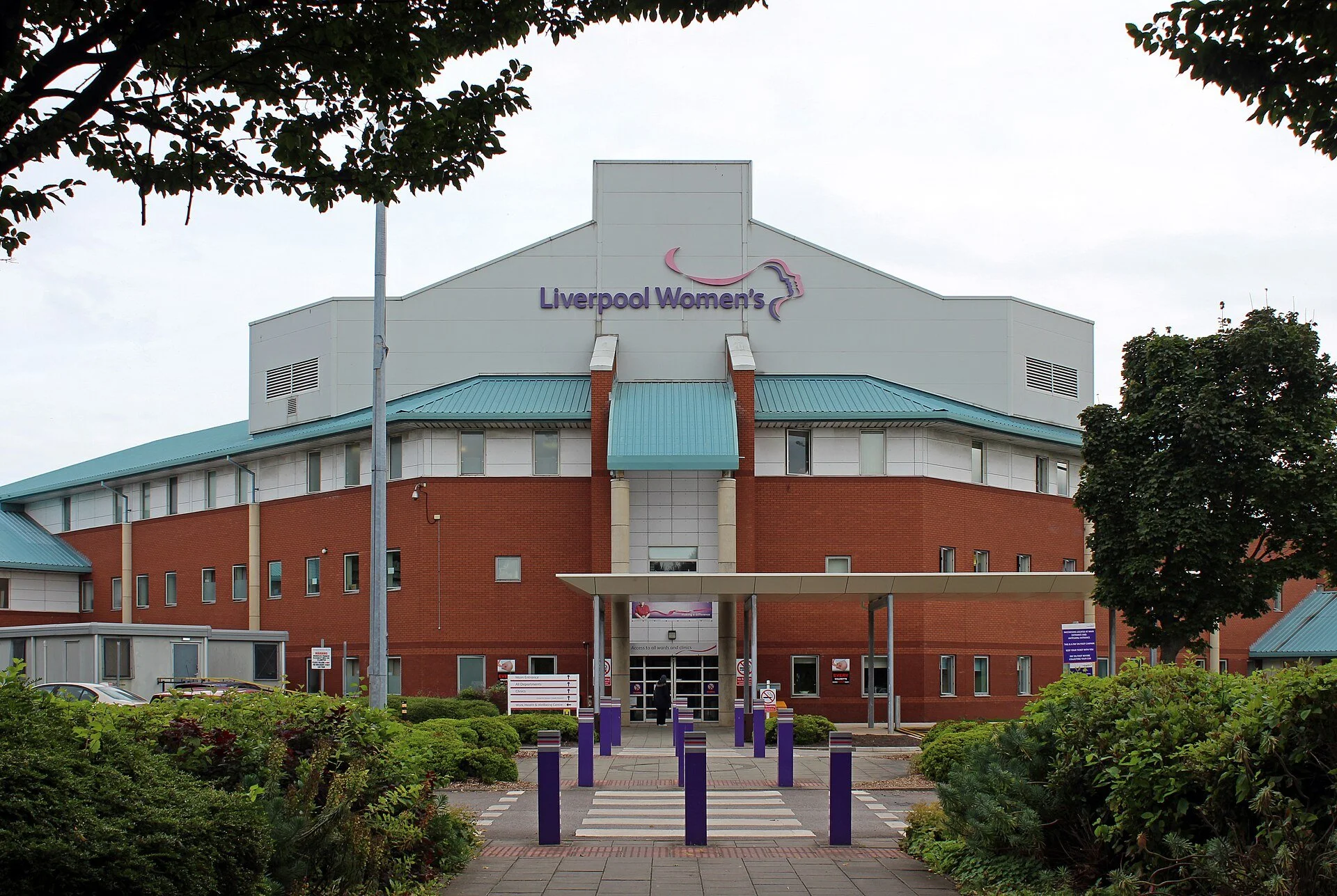
Liverpool Women's Hospital
Many parents from Ireland are referred here due to proximity to Ireland and good reputation
-
University College London Hospitals
Cork University Hosp may refer you here
-
BPAS Clinics
The British Pregnancy Advisory Service (BPAS) provides TFMR for less than 24 weeks gestation
-

King's College Hospital
Hospital in South London
-

Other Hospitals
If you want an alternative hospital, some are listed here